























With floodwaters rising across Nigeria, communities brace for impact. As predictions grow dire, Beatrice Gondyi, SPEAR News’ Bauchi State correspondent, examines whether government actions will finally protect vulnerable populations before it’s too late.
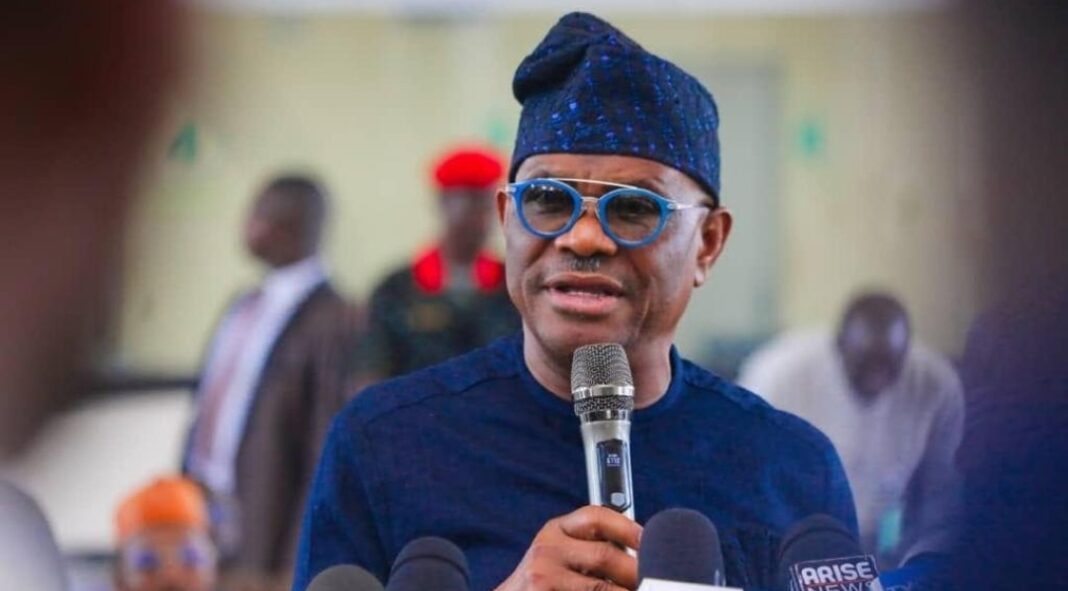
In April, the Nigerian government unveiled its 2025 Annual Flood Outlook (AFO), promising “innovative flood risk management strategies.” But for millions living in flood-prone regions, the question remains: Will this year be different?

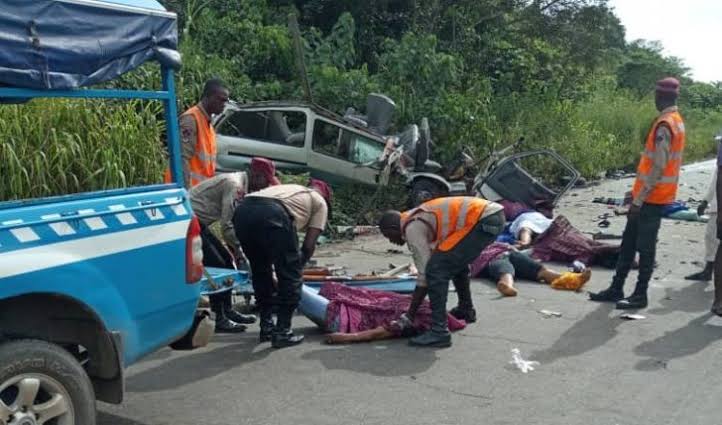
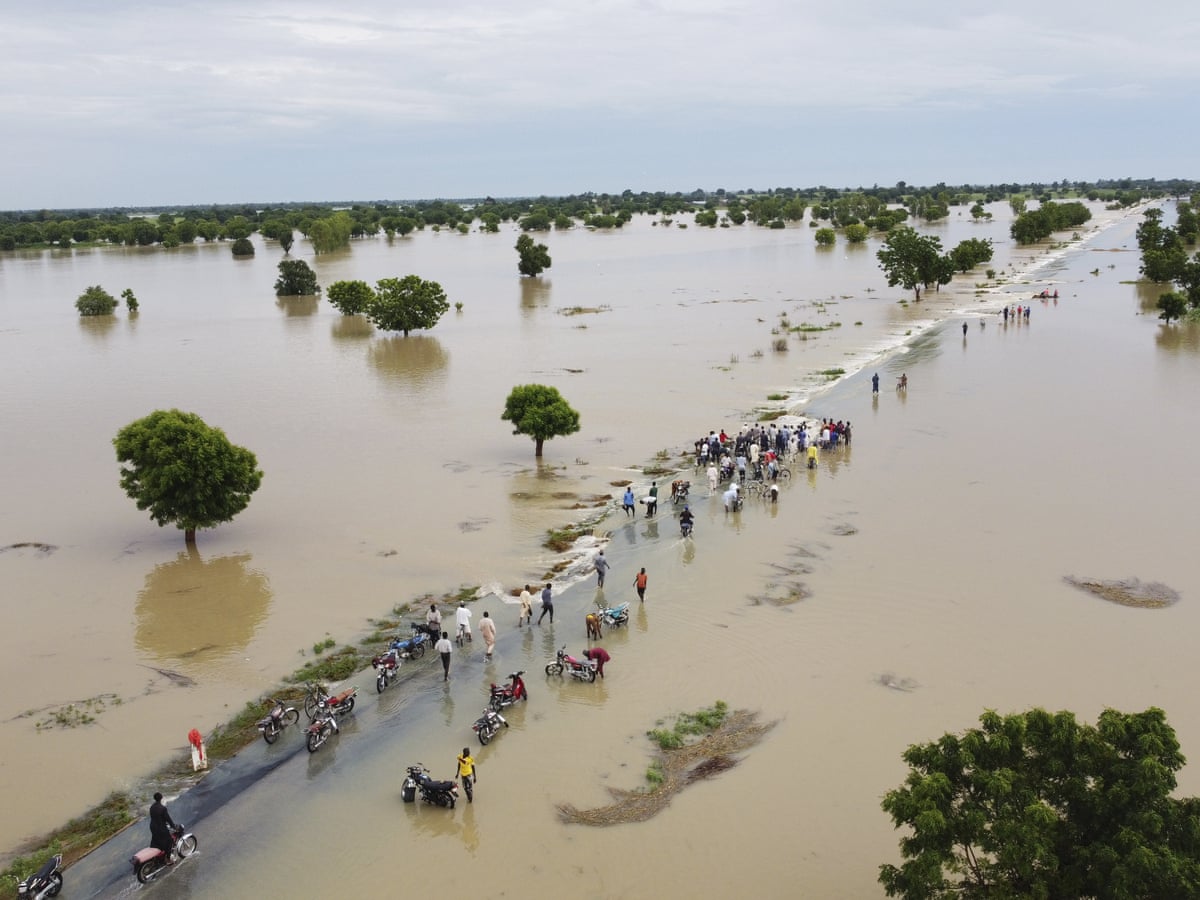
Last year, floods killed over 320 people and displaced 1.3 million. This year, as of Friday, the National Emergency Management Agency (NEMA) reports 165 dead, 82 missing, and nearly 120,000 affected—with children and women bearing the brunt.
In Bauchi, where flooding is a “recurrent phenomenon,” authorities insist they are better prepared. Adamu Nayola, Director of Relief and Rehabilitation at the State Emergency Management Agency (SEMA), told SPEAR News that Governor Bala Mohammed’s administration has “downscaled all the information to the grassroots.”
“Of course NIMET predicted this year that Northern part of the State and Central part will experience flood disaster… It is a recurrent phenomenon here in Bauchi,” Nayola said.
But for residents like Zarah Mukhtar, a student in Bauchi, the warnings aren’t reaching everyone. “I didn’t even know there was a prediction. They should use radio, social media, and even mosques to spread the warning. Not everyone has internet.”
A State on Edge
Bauchi faces a dual threat: torrential rains and water released from rivers in Plateau State.
“We are experiencing two types of flooding in the state, the high downpour and high volume of water releases from the Plateau river,” Nayola explained.
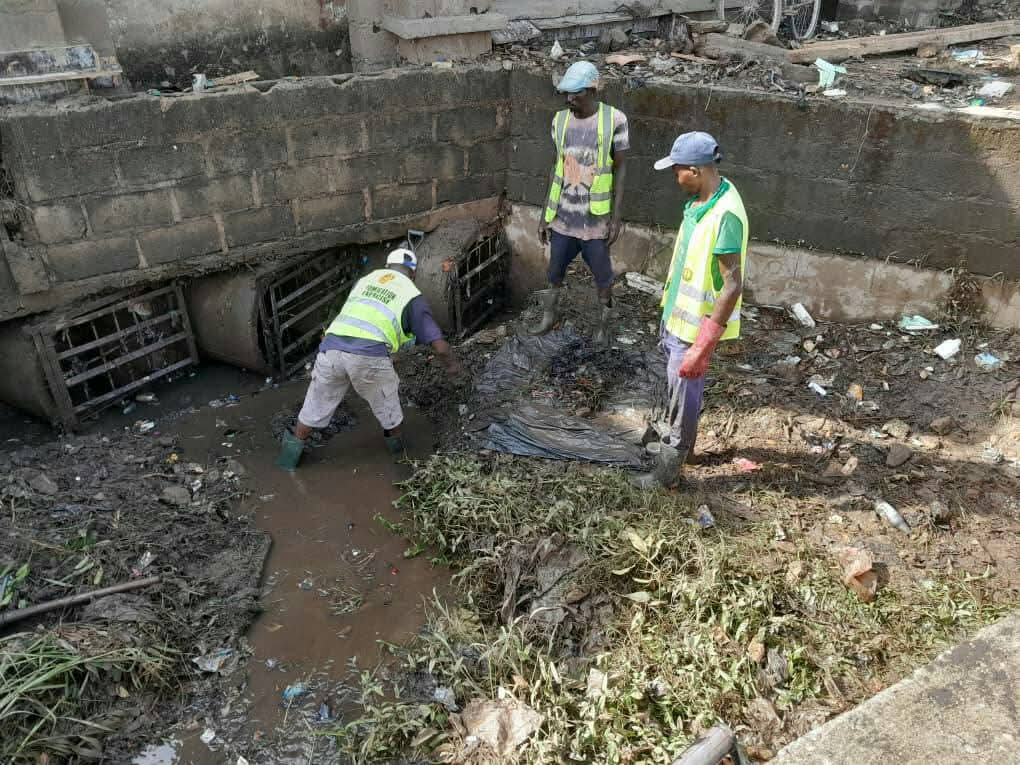
To mitigate risks, SEMA has engaged communities in high-risk area, Alkaleri, Kirfi, Tafawa Balewa, and Toro, where floods often strike hardest.
“We have discussed the issue of flood disaster in their communities… what is their challenge, how do they identify the alerts, the early warning signs?” he said.
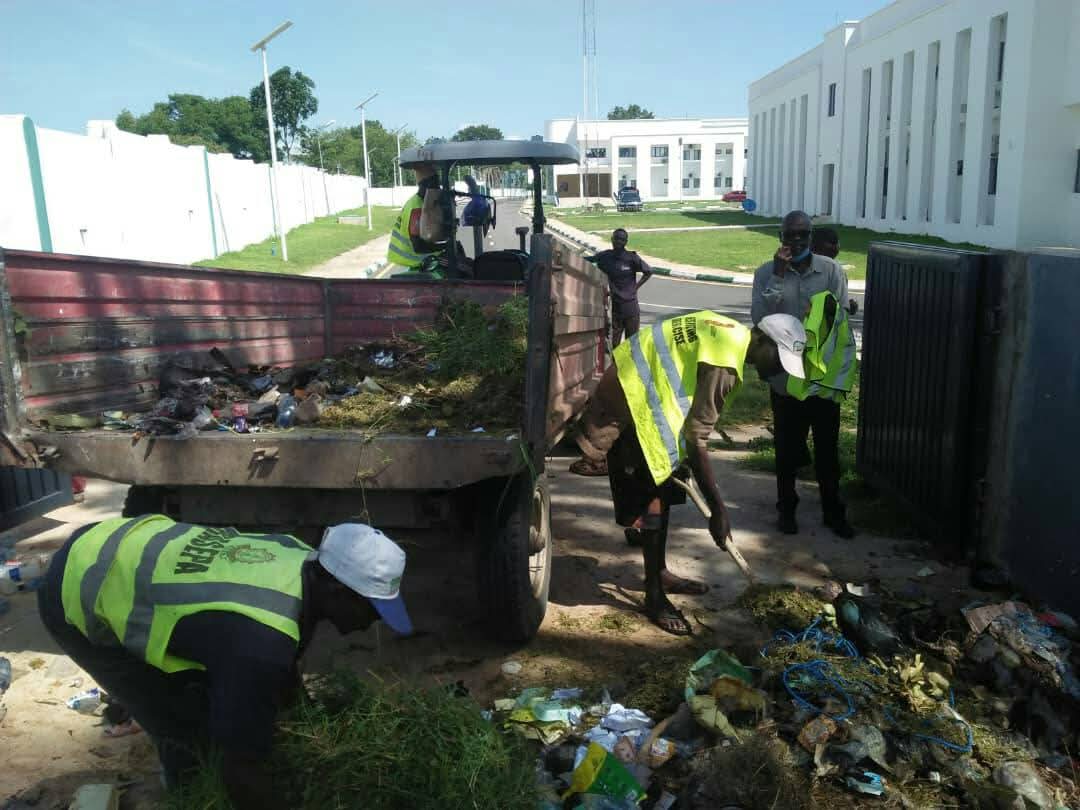
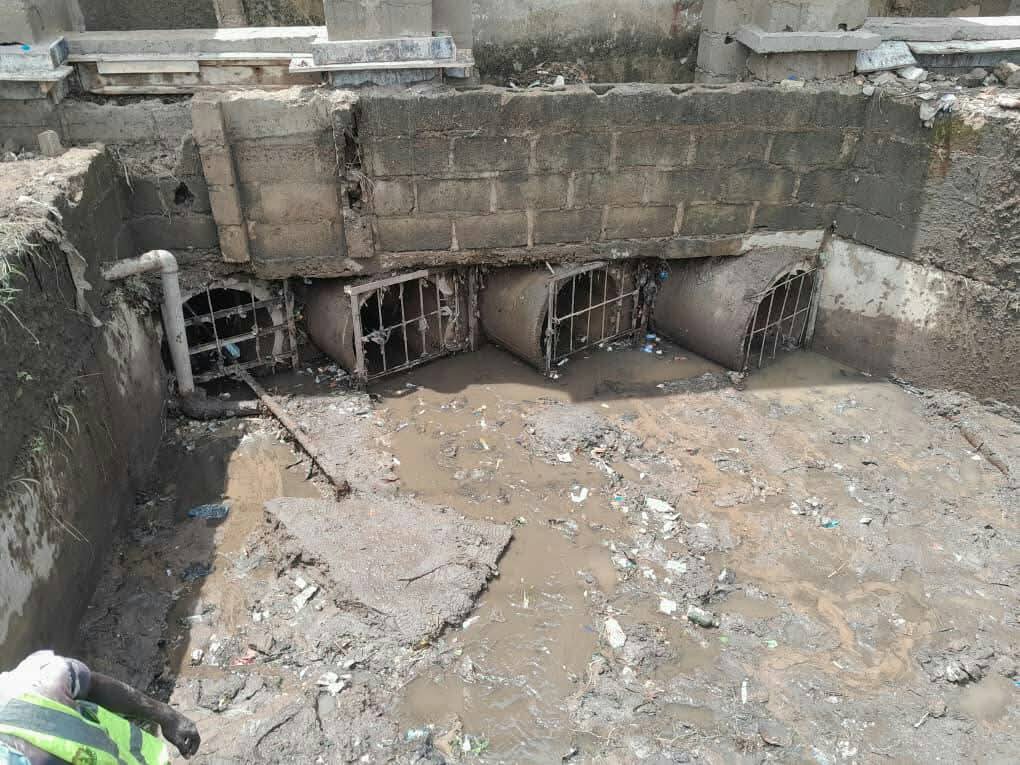
Meanwhile, the Bauchi State Environmental Protection Agency (BASEPA) has been clearing drainages. Mahamood Mohammed Bose, its Director-General, said:
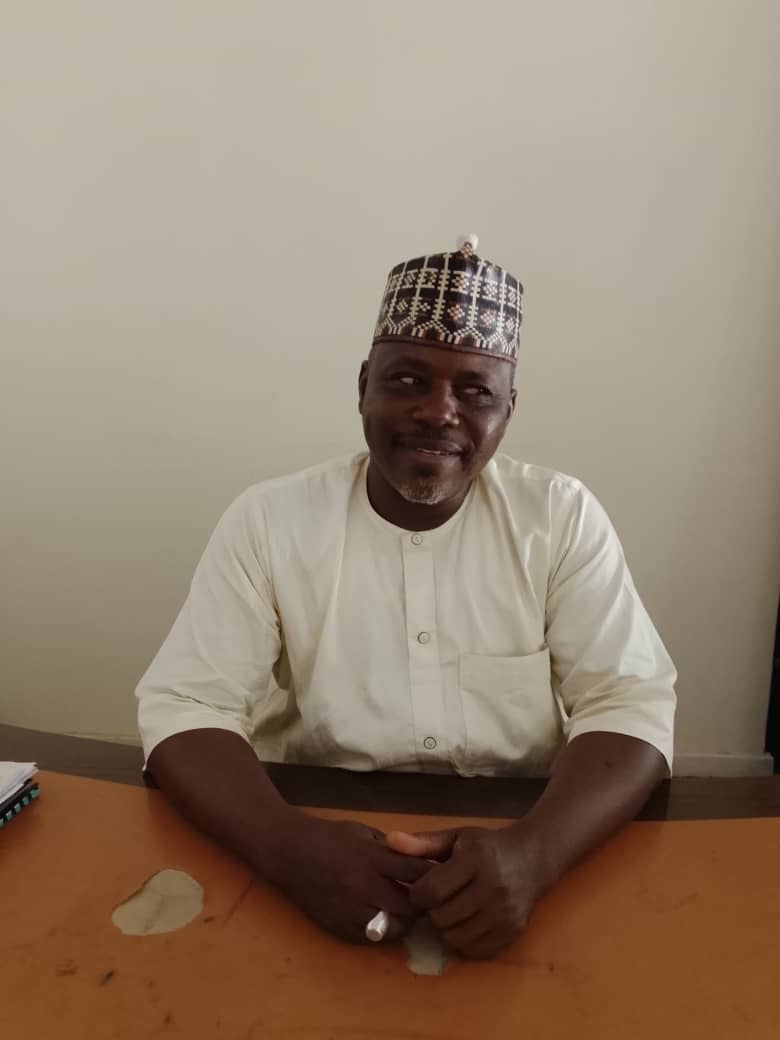
“For the past two or three months if there is anything that we are doing, is this issue of community desilting… Tomorrow (Saturday) we are going to flag off desilting of drainages in all the 20 LGs of the state.”
But will it be enough?
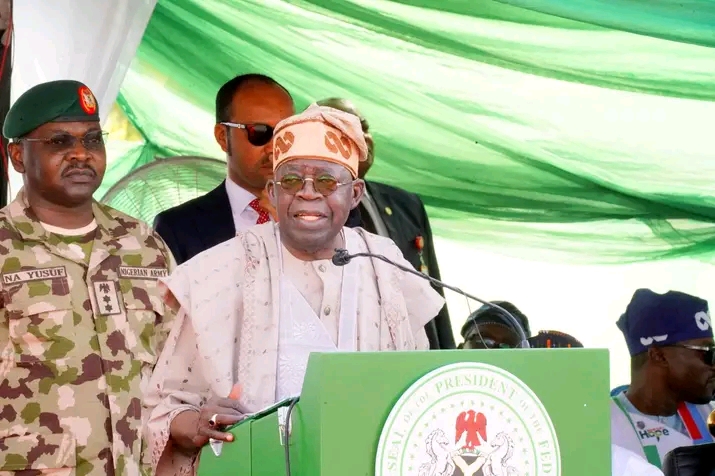
A National Crisis With Local Consequences. The Federal Government insists it is taking action. Engr. Prof. Joseph Terlumun Utsev, Minister of Water Resources, outlined “comprehensive strategies” for flood response.
Yet, last week, NEMA’s Director-General, Hajiya Zubaida Umar, warned of water releases from Alau Dam in Borno, urging vigilance.
But for many, like Bashir Dahiru, a trader in Yola, government warnings ring hollow.
“We hear these flood predictions every year, but nothing changes. If it rains heavily now, my shop will be underwater. I don’t think they’re doing enough.”
In Adamawa, Governor Ahmadu Fintiri visited flood-ravaged areas, pledging action. But for Hafsa Halliru, an IDP in Borno, promises mean little.
“Where can we go? We are already displaced by conflict, now floods too? We need help urgently, not just words.”
Why Floods Keep Winning
Experts say Nigeria’s flooding crisis is fueled by: Poor urban planning, Clogged drainage systems, Illegal constructions on floodplains and Climate change intensifying rainfall
The Nigeria Hydrological Services Agency (NIHSA) warns that 148 LGAs are at “high risk” this year. The UN predicts disaster-induced displacements could double by 2030 without urgent adaptation.
Hadiza Sani, a Maiduguri resident, echoes a growing frustration:
“Honestly, we are worried. Last year, we lost a lot. The government should not just give warnings. They need to take action—clear the drains, build embankments, and provide shelter.”
A Test of Preparedness
As rains intensify, the real test begins. Will Nigeria’s flood forecasts translate into lives saved—or will this year’s death toll keep rising?
For now, the most vulnerable wait, hoping that this time, the warnings come with action.
Reporting by SPEAR News with contributions from affected communities in Bauchi, Borno, Adamawa, and beyond.











Discussion about this post