

























James Adamu
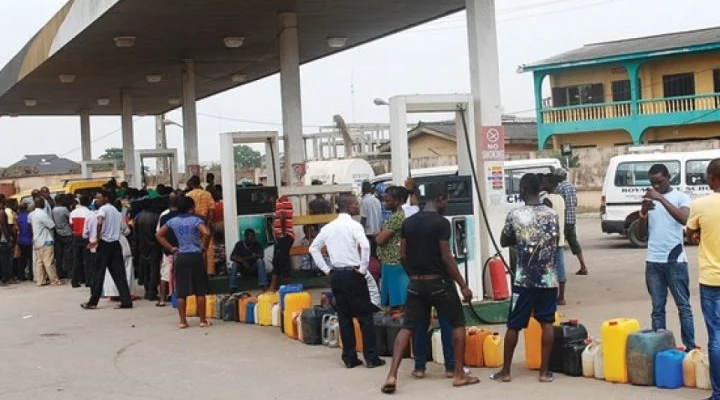
The House of Representatives Committee on Petroleum Resources (Downstream) has raised the alarm over an imminent return of fuel scarcity and long queues across Nigeria, warning that petrol prices may also spike if urgent steps are not taken to address crude supply challenges to domestic refineries.

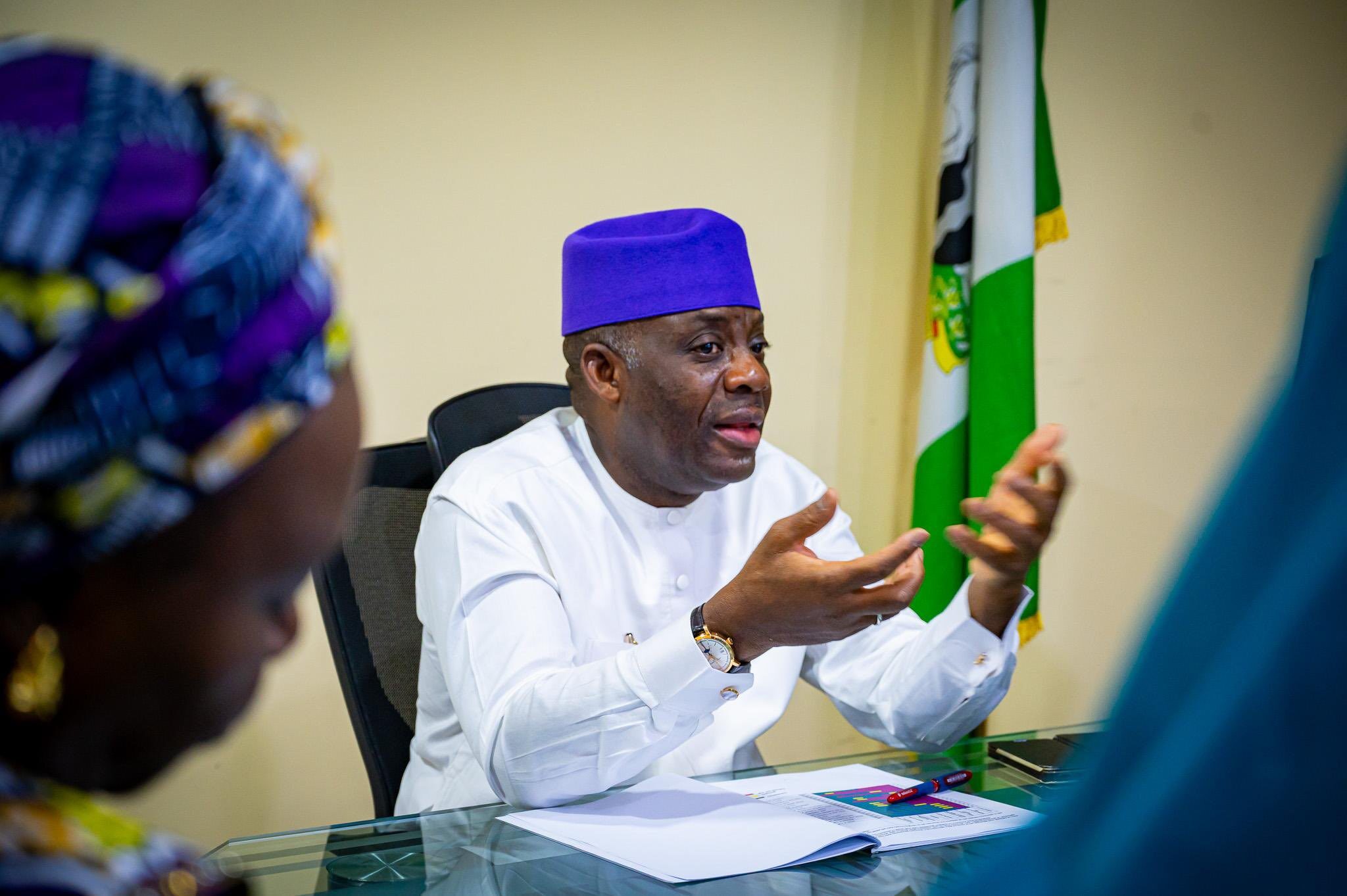
The chairman of the committee, Ikeagwuonu Ugochinyere, issued the warning on Thursday during a press briefing in Abuja, describing the situation as a major threat to economic stability and the welfare of Nigerians.
Ugochinyere expressed deep concern over the inadequate supply of crude oil to the Dangote refinery, which remains central to Nigeria’s efforts to stabilise fuel supply and end the nation’s longstanding reliance on imported petroleum products.
Findings from the committee’s oversight activities, he revealed, pointed to a strong likelihood of an increase in the price of Premium Motor Spirit (PMS) — driven not by deliberate government policy but by critical inefficiencies within the supply chain.
“While the refinery is entitled to about 21 cargoes of crude oil and requires at least 15 to operate optimally, it is currently receiving only five cargoes — far below the minimum threshold needed to sustain production,” Ugochinyere stated.
He cautioned that unless these issues are resolved within 48 hours, the country could witness a resurgence of fuel queues, supply disruptions, and worsening hardship driven by higher pump prices.
In a startling revelation, the committee chairman also drew attention to what he described as a questionable practice involving foreign intermediaries.
“Crude oil produced in Nigeria is being sold to our refineries through middlemen based in London and Dubai, who add no value but collect huge fees,” Ugochinyere disclosed.
“For every barrel priced at $100, refineries pay $118, with the additional $18 going to these intermediaries.”
This practice, he argued, not only inflates the cost of crude for local refineries but also undermines Nigeria’s quest for energy independence and affordable fuel for its citizens.
To avert the looming crisis, the committee has called on the Presidential Technical Committee on the Crude-for-Naira initiative to reconvene within 48 hours to resolve the supply bottlenecks and address the involvement of foreign middlemen in crude transactions.
The warning comes at a critical time when Nigerians had begun to enjoy relative stability in fuel supply following the full-scale operation of the Dangote refinery. Any disruption, analysts say, could reverse the gains made and plunge the country back into the era of perennial fuel queues and scarcity.










Discussion about this post